
Company
13 Feb 2024
By Jambo Team
Published on 24 Jul 2026

Jambo team
Imagine waking up to a headline: “Your Company Just Leaked Everything.”
That’s not a nightmare—it’s real history…
For most of us, it’s a quick read. For the executives involved, it’s a career-ending nightmare. These five leaks didn’t just break servers; they broke trust, decimated budgets, and destroyed reputations.
But behind almost every major hack is a simple, avoidable mistake: mishandled secrets and exposed credentials. Let’s dive into the history books—and then talk about how to make sure your company never makes this list.
What happened:
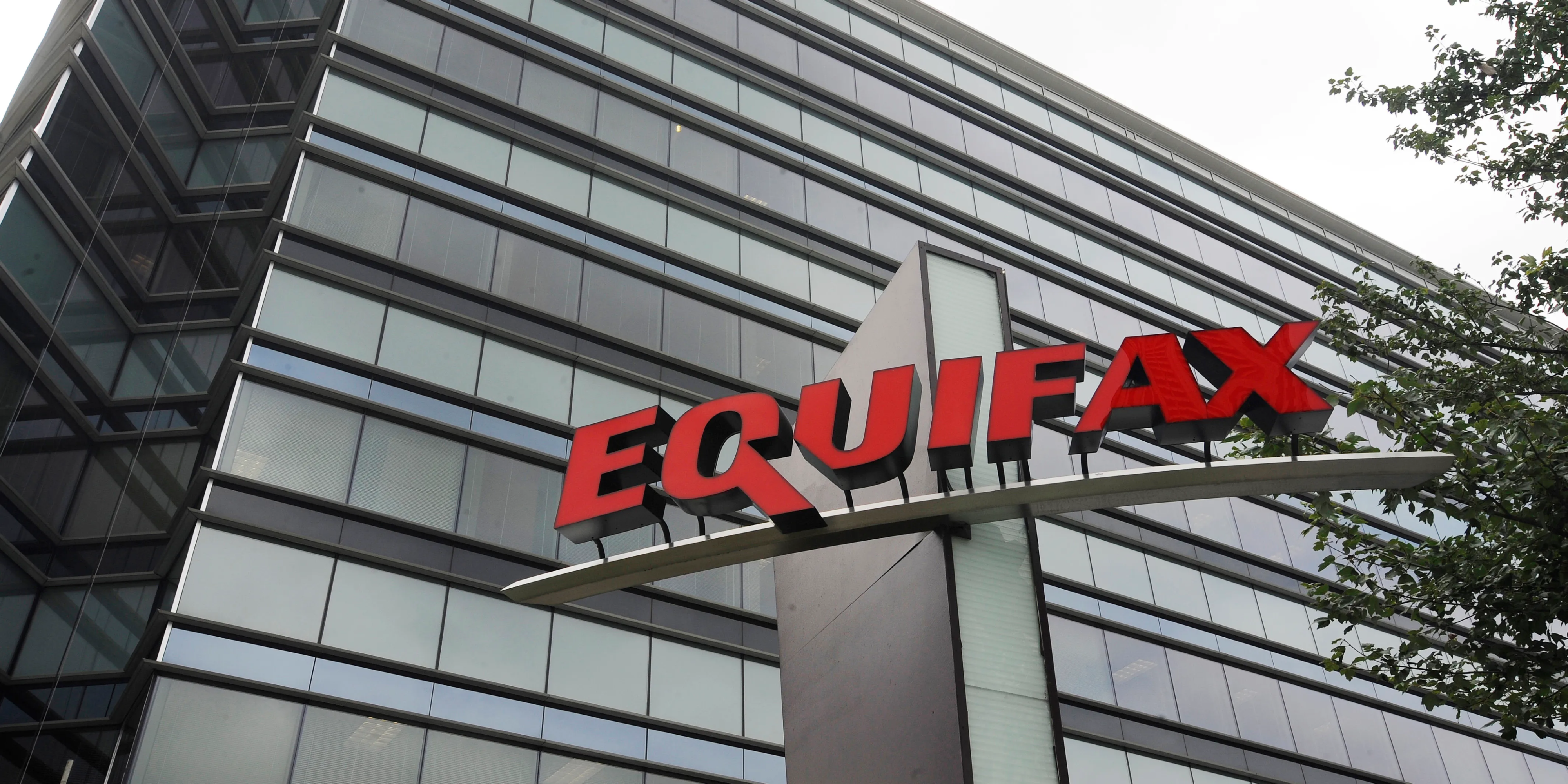
Hackers sneaked into Equifax's system through a known software bug that the company simply forgot to patch. They hung out in the network for months, quietly scooping up the Social Security numbers, birth dates, and addresses of 147 million people. It was basically an all-you-can-eat buffet of identity theft.
Why it hurts:
You can’t just reset a Social Security number like a forgotten password.
Fallout:
Crippling fines, massive lawsuits, a $575M settlement, and forced free credit monitoring for half the country.
The Lesson:
If you handle sensitive data, your security infrastructure needs to be bulletproof. Attackers move laterally by finding exposed credentials—don't make it easy for them.

What happened:
Yahoo actually got hacked twice in a row, and it was a total disaster. The hackers found a clever way to fake login cookies, meaning they could walk right into people's emails without even needing a password. By the time the dust settled, every single Yahoo account on the planet—all 3 billion of them—was hacked.
Why it’s insane:
That’s more than the population of Earth (accounting for multiple accounts). Hackers forged cookies and gained access without even needing passwords.
Fallout:
Verizon slashed $350M off Yahoo's acquisition price, turning an internet giant into a cautionary tale.
The Lesson:
Breaches can kill your company's valuation overnight. Securing the keys to your kingdom is non-negotiable.

What happened:
When Marriott bought Starwood Hotels, they also bought a deeply hacked computer system without realizing it. Hackers had been quietly sitting inside the network for four years, watching people book rooms. They walked away with the passport numbers, credit cards, and travel histories of half a billion guests.
Why it’s creepy:
Imagine a stranger having a perfect log of exactly where you slept, when, and who you traveled with.
Fallout:
An £18.4M fine under GDPR, endless lawsuits, and a shattered loyalty program.
The Lesson:
When you acquire another company (like Marriott did with Starwood), you inherit their poorly managed databases and exposed secrets.

What happened:
A group of hackers completely took over Sony's network, putting scary skull images on employee computer screens. They stole and leaked full, unreleased movies and juicy internal emails where bosses were bad-mouthing big Hollywood actors. To make things worse, the hackers found a folder literally named "Passwords" just sitting there waiting to be opened.
Why it’s wild:
Aside from exposing that Angelina Jolie was called a “minimally talented spoiled brat” in an executive email, hackers found a directory literally named "Passwords" full of plain-text credentials.
Fallout:
$100M+ in damages, months of corporate chaos, and a total overhaul of Hollywood's cybersecurity.
The Lesson:
Hardcoding passwords or leaving sensitive credentials sitting on your servers in plain text is the equivalent of leaving your front door wide open.

What happened:
A former tech worker noticed that Capital One had set up their cloud security wrong. She used this tiny mistake to easily slip past their digital walls and grab the master keys to the system. With those keys, she unlocked 100 million credit card applications without breaking a sweat.
Why it’s frustrating:
It wasn’t a genius, cinematic hack. It was a configuration mistake that left the server's IAM roles exposed to the attacker.
Fallout:
An $80M fine, a $190M settlement, and a brutal reminder of cloud vulnerabilities.
The Lesson:
Storing sensitive environment variables or credentials where a compromised server can easily read them is a ticking time bomb.
If you look closely at the anatomy of major breaches, a pattern emerges: hackers get in through a small crack, find an exposed .env file, scrape hardcoded passwords from a disk, and use those secrets to take over the whole system…
That is exactly why Jambo.Team built RunEnv.
RunEnv is a revolutionary zero-disk secret management tool. Instead of leaving your API keys, database passwords, and environment variables sitting in a vulnerable .env file on your server's disk, RunEnv injects those secrets directly into your application's memory at runtime.
Data leaks might feel like horror movies, but you get to write the ending. Secure your environment variables, get your secrets off the disk, and sleep soundly.
13 Feb 2024

16 Jun 2023

23 Aug 2023